
Bitcoin Casinos in Canada 2026: A Player's Guide to Crypto Gambling Laws, Deposits, Fees, and Fast Payouts

Three years back, nearly every Canadian player I talked to was still funding casino accounts with Interac e-Transfers and the odd credit card. Then the declines started piling up. Merchant codes blocked. Transfers held for review. A 'pending' label that simply never cleared. By 2026 the conversation has flipped — crypto-funded accounts are ordinary now, and the question I get asked most isn't 'is this even legal?' anymore. It's 'which one is actually good?'
So that's what this guide answers. Four things, in order: the legal picture province by province, how deposits actually work, what playing in crypto really costs once every fee is added up, and what 'fast payout' honestly means. Fair warning right up front — the rules differ sharply between Ontario's regulated market and offshore crypto-native sites, and that gap shapes everything else.
What a Crypto Casino Actually Is — and Why Canadians Are Moving In 2026
Strip the marketing away and a crypto casino is an online casino where the money rails are blockchain transactions instead of card networks. You deposit by sending coins to an address. You withdraw by getting coins back. Some of them go further and run the games on on-chain mechanics, so players can verify the shuffle rather than trust a screenshot.
Everything else — slots, tables, house edge — is the same product you'd find anywhere.
Two models operate in Canada right now. The first is the provincially regulated one: Ontario's iGO/AGCO framework licenses operators who can legally serve Ontario residents, and provincial lottery corporations run their own platforms elsewhere. The second is the offshore crypto-native site, incorporated somewhere like Curaçao or Anjouan, taking players from most provinces and settling everything in digital assets.
The pull toward that second model is practical, not ideological. Your bank can't flag a gambling merchant code on a transfer it never sees. Settlement takes minutes instead of days. And signup often wants an email and nothing else — a real privacy improvement for anyone who doesn't love handing SIN-adjacent details to a casino database.
How crypto casinos differ from traditional online casinos
- Verification: regulated sites require full KYC before you can withdraw a dollar. Crypto sites often let you play unverified and only ask for documents at cash-out — which surprises people at the worst possible moment.
- Minimum deposits: many crypto sites start at $5 or $10 equivalent. Traditional platforms usually sit at $20 and up.
- Withdrawal windows: minutes versus one to three business days. This is the single biggest reason players switch.
- Bonuses: crypto bonuses tend to be denominated in coin, and they carry noticeably higher wagering requirements than the fiat-site equivalents.
- Responsible gambling tools: this is where regulated operators still clearly lead. Deposit caps, self-exclusion registries and time-out functions are mandated in Ontario and patchy offshore.
The tokens players actually use
Bitcoin stays the default because every site accepts it and liquidity is deepest. Lightning — Bitcoin's second layer — is what people reach for when they want to move $20 in a few seconds for basically nothing. Past that: Ethereum is widely accepted but expensive to move on the base layer, USDT and USDC give you a stable dollar peg so your balance doesn't swing while you sleep, and Litecoin and Solana are the low-fee workhorses that turn up more often than you'd expect in Canadian player traffic.
The coin you pick decides your network fee and your confirmation time. Not a footnote. It's the whole cost conversation, which is why the next two sections keep circling back to it.
Crypto Gambling Laws in Canada in 2026: What's Legal, Where
Here's the architecture in plain language, with one flag up front: this is general information, not legal advice. The area moves fast enough that specifics can shift inside a single year.
The federal Criminal Code controls who may operate a lottery or casino scheme in Canada. Provinces license and regulate gambling inside their own borders. Offshore crypto operators sit in a genuine grey zone — running a gaming site from Canada without authorization isn't lawful, but enforcement attention has historically landed on operators rather than on individual players placing bets. That distinction matters enormously. It also isn't the same thing as a green light.
Province-by-province snapshot
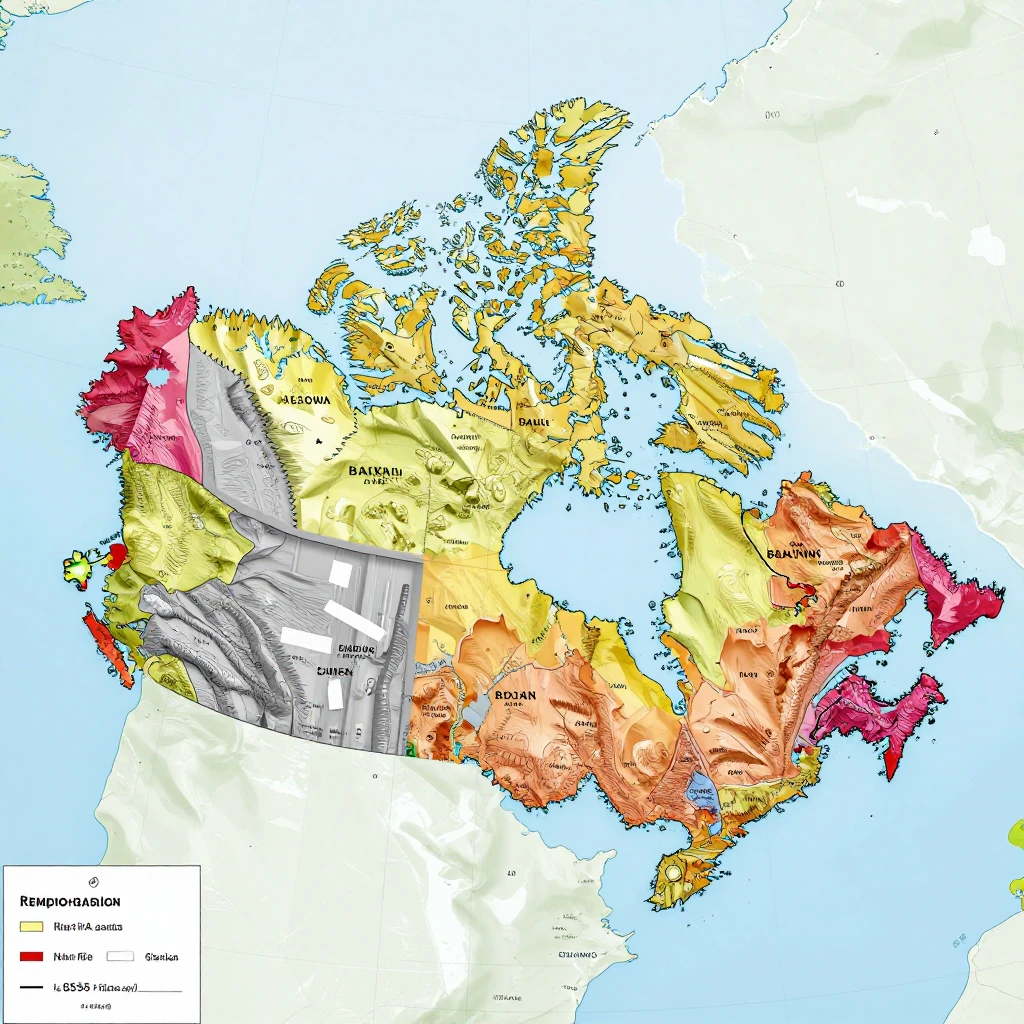
Ontario is the fully regulated market. iGO and AGCO license operators who may serve Ontario residents, and those licensees aren't permitted to route players to unlicensed offshore brands. Crypto deposits exist in Ontario, but through approved operators only. Quebec runs a tight provincial model through Loto-Québec with no competitive iGaming market, so offshore sites operate in the most ambiguous position there. British Columbia follows a provincial-corporation model, with enforcement pressure that fluctuates. Alberta is the one to watch, its provincial model having been opening up and drawing serious operator interest. In the Atlantic provinces the picture is patchier and largely follows Atlantic Lottery's retail-first posture.
Read those differences as a map of where licensing and enforcement pressure runs highest. Not as a list of permissions.
What the rules mean for your deposits and payouts
Three practical consequences. First, tax: gambling winnings generally aren't taxable for casual Canadian players, but disposing of crypto is a separate CRA matter entirely, and moving coins around can create a taxable event whether you won anything or not. Two unrelated questions — treat them that way.
Second, banking. A card issuer can and will block a gambling transaction. A crypto rail never touches that system at all, which is convenient, but it also means you lose the chargeback protection you'd otherwise have. Third, 'unlicensed' doesn't mean 'safe by default.' With no regulator in the background, self-custody habits and site reputation are doing all the work.
Deposits, Fees and Payout Speed — The Real Cost of Playing in Crypto
Here's the cost chain nobody advertises, in the order you actually pay it: the exchange fee to acquire the crypto, the network or miner fee to send it, any casino deposit fee (usually zero, and worth confirming), then the identical chain in reverse on the way out.
A worked example makes it concrete. Say you deposit $100.
- Bitcoin on-chain: exchange spread and fee maybe 1–2%, network fee $1–$4 depending on mempool conditions, casino fee $0. Total drag roughly 2–6%.
- Lightning: near-zero network cost, but fewer sites support it and exchange withdrawal support is inconsistent. Total drag often under 1%.
- USDT on a low-fee chain: cheap to move, no volatility exposure, though you'll pay a spread converting in and out. Total drag roughly 1–3%.
See the pattern? On a $20 deposit, fees can quietly eat 8% or more of your money before you've spun a single reel. Those same fees on a $500 deposit are background noise. So if you're a small-stakes player, fee choice isn't a detail. It's the main variable.
Two more things to check before you deposit. Bonus terms tied to crypto deposits frequently carry wagering requirements of 40x or higher, sometimes on the bonus plus deposit. And volatility: most sites convert your deposit to fiat value the moment it lands, but not all of them do, and the ones holding your balance in coin are holding your bankroll in a moving asset. Confirm which model you're on instead of assuming.
Fast payouts: what's realistic and what's marketing
'Instant' almost never means instant. Two clocks are running during a withdrawal. The first is site-side approval — a review process, sometimes automated, sometimes manual, taking minutes to a few hours. Your account's first withdrawal is always the slowest, because that's when KYC usually gets triggered.
The second clock is blockchain confirmation. Solana and Lightning settle in seconds. Litecoin and Tron-based USDT in under a minute. Bitcoin on-chain, anywhere from ten minutes to an hour depending on fees and congestion.
So a realistic expectation: first withdrawal same day, often a couple of hours. Later withdrawals at a site with automated processing, ten to thirty minutes. Anyone quoting 'instant' is describing the best case, on the fastest chain, on their best day. Which is fine — as long as you know that's the claim.
How to Vet a Bitcoin Casino Before You Deposit
Same checklist every time, and I'd suggest you borrow it. It's short. Most sites fail at least one item.
- Licensing and jurisdiction: who issued the licence, and is it a regulator with a real complaints process or a rubber stamp?
- Provable fairness: are game results verifiable, and is the RNG audited by a named third party?
- Published limits: withdrawal caps and processing times stated in writing, not buried in a support chat.
- Game library: titles from studios you recognise — a decent proxy for how the operator does business generally.
- Responsible gambling tools: deposit caps, time-outs and self-exclusion sitting in the account settings, not available on request.
Running that checklist across dozens of sites is tedious, which is why I usually point people toward a curated comparison of bitcoin casinos that screens for exactly these factors. It's a shortcut past the ones that fail on licensing or payout terms, and it saves you an evening of tab-opening.
That said, treat any comparison as a starting point, not a verdict. Pull up the licence yourself, read the withdrawal page, and confirm the terms before you send anything.
Common Mistakes Canadian Players Make
- Depositing from a verified exchange wallet and then hitting a KYC mismatch when the casino asks for ID that doesn't match the sending address. Withdrawals stall for weeks.
- Ignoring network fees on small deposits. A $15 deposit over on-chain Bitcoin can lose a fifth of its value in transit.
- Chasing crypto bonuses blind. A 300% match at 50x wagering is not a gift, it's a second job.
- Skipping 2FA or reusing the same email and password as your exchange account. One breach and both are gone.
- Assuming offshore means unregulated means risk-free. It's the opposite: no regulator means no one to appeal to.
- Forgetting that volatility plus a slow withdrawal can shrink a win before it lands in your wallet. If the site holds your balance in coin, a good night can evaporate in a bad hour.
FAQ
Are Bitcoin casinos legal in Canada?
Operating one from Canada without provincial authorization is not legal. Playing at an offshore site sits in a grey zone that provinces treat differently, and enforcement attention has focused on operators rather than players. Ontario's regulated market is the cleanest picture; elsewhere, the answer depends on where you live.
Do I pay tax on crypto casino winnings?
Casual gambling winnings generally aren't taxable in Canada. Crypto dispositions are a separate CRA matter though, and converting or transferring coins can create a reportable event regardless of the gambling outcome. Talk to an accountant if the amounts are meaningful.
How fast are crypto withdrawals, really?
First withdrawal: same day at best, often a few hours because of KYC. After that, ten to thirty minutes at a well-run site on a fast chain. Bitcoin on-chain adds ten minutes to an hour on top of approval.
Can I play from Ontario?
Ontario has a fully regulated iGaming market, and licensed operators aren't permitted to funnel players to unlicensed offshore sites. If you're in Ontario, the regulated operators are where the consumer protections live.
Do I need a VPN?
It's a bad idea regardless. Plenty of sites void withdrawals for VPN use detected at cash-out, and you'd be handing them a reason to freeze your balance right when you want it most. Pick a site that accepts your province openly.
What's the minimum deposit?
Commonly $5–$10 equivalent at crypto sites, versus $20 and up at traditional platforms. Keep the fee math in mind — small deposits are exactly where network fees hurt most.
The Bottom Line
Three things decide this, in order. Confirm your province's posture before you pick a site, because it changes which options are actually open to you. Model the true fee cost before you deposit small — a $25 deposit in the wrong coin is a $22 deposit. And vet licensing and payout terms before you look at a single bonus, since a bonus you can't withdraw is worth nothing.
One last note, and I mean it. Gambling in Canada is 19+ (18+ in Alberta, Manitoba and Quebec). Set your deposit limit before you play, not after a bad session. Crypto's speed is genuinely its best feature, and that's exactly why it deserves more discipline than a card deposit does — money that moves in seconds gives you no cooling-off period unless you build one yourself.